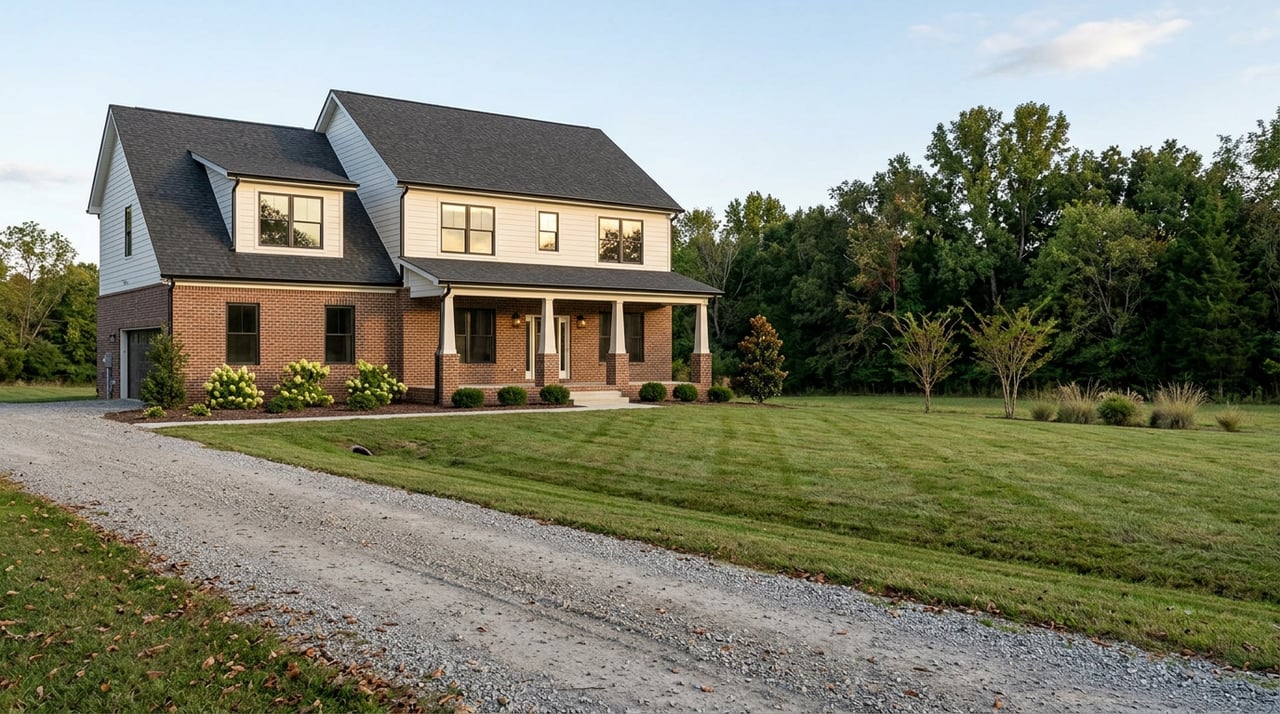
Craving more space for a garden, a small barn, or simply a little peace and quiet just east of Nashville? Buying a home with land around Lebanon can be rewarding, but the details matter more than you might expect. In this guide, you’ll learn how zoning, septic and wells, road access, financing, and pricing work in Wilson County so you can buy with confidence. Let’s dive in.
Why Lebanon land appeals
Lebanon gives you room to breathe while keeping you connected to I‑40, local shopping, and regional job centers. You can find options from small acreage for privacy to larger tracts for hobby farming or future investment. With more land, though, come a few extra steps. Treat the land itself as a separate part of your purchase, not just the house.
City vs. county zoning: start here
Before you fall in love with a property, confirm whether it sits inside the City of Lebanon or in unincorporated Wilson County. Rules differ by jurisdiction, and they affect how you can use the land, potential lot splits, setbacks, and whether private roads must meet county standards.
How to verify jurisdiction
Start by checking the parcel’s zoning district and boundaries. For properties in the city, review the City of Lebanon Title 14 Zoning Code. If the property is outside city limits, the Wilson County Zoning Ordinance governs things like minimum lot size and permitted uses. Ask the seller for recorded plats, any covenants, and copies of prior approvals or variances. A quick call to the Wilson County Zoning Division can help confirm details and next steps.
Subdividing and private streets
If you plan to divide land or if the home sits on a private road, county standards matter. Wilson County requires private streets in subdivisions to meet County Road Commission specifications. Many private streets remain private for maintenance unless they are dedicated and accepted by the county. Verify who pays for upkeep, how it is shared, and whether a homeowners association manages it. Get this in writing before you close.
Septic, soil and wells
If the property is not on city sewer or water, septic systems and wells become key. The state oversees septic permitting and well licensing, and lenders often require documentation.
Bedroom count and soil maps
In Tennessee, the Tennessee Department of Environment and Conservation (TDEC) handles septic permits. The number of bedrooms your system can legally support is based on a soil evaluation or percolation test. Review TDEC guidance on permits and process at the TDEC septic construction permit guidance. Ask for the septic construction permit, as‑built diagram, any pumping or repair records, and a high‑intensity soil map or perc test report. These documents protect you from surprises and support your intended use.
Alternative systems and maintenance
Where soils are poor, a state‑approved alternative system such as a mound, low‑pressure pipe, or aerobic treatment may be required. These systems can carry higher design and installation costs and may need specific maintenance. TDEC maintains rules, approved professionals, and fee information. Build time and budget for this process if you are considering a property that lacks an approved system.
Well records and testing
If you are buying a home with a private well, TDEC requires licensing for well drillers and pump installers. As a buyer, request the well log and a recent water quality test for bacteria and nitrate at a minimum. You can learn more about well standards through TDEC well driller licensing resources. Some lenders will ask for independent testing and documentation of flow and yield before closing.
Access, driveways and easements
Legal access is essential for living comfortably and for getting a mortgage. Confirm how you reach the property and who maintains the road or driveway.
Public road vs. private road
If the property fronts a public road, verify whether it is a county road or a state route and whether permits were required for the driveway approach. If access is by a private road, check whether it was built to county standards and whether the HOA or a road maintenance agreement covers repairs, snow removal, and gates. Wilson County’s requirements for private streets and subdivisions are outlined in the Wilson County Zoning Ordinance.
Lender requirements for access
Lenders and appraisers require adequate vehicular access and documentation. If your driveway crosses someone else’s property, you will need a permanent recorded easement, and many lenders also ask for evidence of road maintenance responsibilities. See an overview of how access issues get treated in underwriting through common lender appraisal access standards.
Sample contract language you can use
Consider adding language like this to your offer: “Closing is contingent upon Buyer’s receipt and approval of a recorded, insurable, and permanent ingress/egress easement benefiting the Property, and a satisfactory road maintenance agreement or HOA documentation addressing maintenance, gates, and snow removal.” Your agent can tailor this to your situation.
Financing homes with acreage
Properties with septic systems, wells, and private roads are often financeable, but each loan type has specific rules. Start early and match your property to your loan.
USDA eligibility in Wilson County
Some homes outside municipal boundaries may qualify for USDA Rural Development loans. Eligibility is property specific. Use the USDA property eligibility tool to confirm an address before you count on USDA financing.
FHA, VA and conventional expectations
FHA and VA generally allow private wells and septic systems if they meet state and local standards. Appraisers call out failing systems, inadequate access, or missing reserve field areas, and lenders may require repairs or documentation before closing. Review guidance in the FHA Single Family Housing Policy Handbook. Conventional loans expect legal access, functioning utilities, and no major site defects. If you are buying a property with unusual conditions, plan for extra paperwork, testing, or a different loan product.
What homes with land cost in Lebanon
Pricing varies widely based on location, acreage, road frontage, and improvements. Market snapshots show a median home price around $514,995 in the city of Lebanon for late 2025, which includes a mix of neighborhood and rural properties. Nearby Mount Juliet trends higher on average, reflecting its proximity to I‑40 and major retail. In Wilson County, small acreage homes often run from the mid 400s to the high 800s depending on house quality and land features, while larger tracts marketed for development can be priced significantly higher.
Real‑world examples help. A 5.29 acre wooded home in Wilson County sold for about $800,000 in October 2025. A 15.54 acre tract in Lebanon was listed near $3.885 million. Average cost per acre figures can be misleading because small tracts near interchanges tend to command higher per‑acre pricing than large farms. Treat per‑acre numbers as rough guides and rely on current local comps for clarity.
Due‑diligence checklist for Lebanon land buyers
Use this quick list to keep your purchase on track:
- Confirm whether the property is in the city or unincorporated county, then pull the zoning district. Start with the City of Lebanon Title 14 Zoning Code or the Wilson County Zoning Ordinance.
- Ask the seller for the septic construction or improvement permit, as‑built diagram, soil map or perc test, and any service records. TDEC explains the process in the septic permit guidance.
- If there is a well, request the well log and a recent independent water quality test for bacteria and nitrate. Review TDEC well driller standards.
- Verify legal access with a recorded easement or public road frontage. Confirm gate rules and who pays for maintenance using the Wilson County Zoning Ordinance as a reference for private streets.
- Check local floodplain maps and the county GIS for the parcel’s flood zone. If flood insurance is required, include the expected cost in your budget.
- Confirm utilities. Ask providers about electricity, gas or propane, and broadband options, plus any extension fees. For electric service, start with the Middle Tennessee Electric offices.
- Match your property to your loan. Use the USDA property eligibility tool if you plan on USDA, and review water and septic documentation early for FHA, VA, or conventional loans. The FHA policy handbook explains typical requirements.
- Build in smart contingencies for septic and well inspections, appraisal, and recorded access. If needed, include a clause that makes closing contingent on a permanent easement or satisfactory HOA or maintenance agreement.
Local resources and who to call
- Zoning questions and parcel verification: Wilson County Zoning Division and the City of Lebanon Title 14 Zoning Code.
- Private street and subdivision standards: Wilson County Zoning Ordinance.
- Septic permits, soil consultants, and fees: TDEC septic construction permit guidance.
- Well standards and licensing: TDEC well driller licensing resources.
- USDA eligibility check: USDA property eligibility tool.
Buying a home with land in Lebanon is absolutely doable when you verify the essentials. Start with zoning, confirm septic and well details, make sure access is clear and documented, and match your financing to the property. If you want a local partner to help you line up soil consultants, surveyors, and the right lender, reach out to Eddie Poole for friendly, expert guidance.
FAQs
What zoning rules apply to acreage near Lebanon?
- Properties inside the city follow the City of Lebanon Title 14 Zoning Code, while parcels in unincorporated areas follow the Wilson County Zoning Ordinance; verify jurisdiction before assuming any use is allowed.
How do septic permits work in Tennessee for rural homes?
- TDEC issues septic construction permits based on soil evaluation or perc tests, which also set the permitted bedroom count; review the TDEC septic permit guidance and request the permit, as‑built, and maintenance records from the seller.
Do I need an easement if my driveway crosses a neighbor’s land?
- Yes, lenders and appraisers expect a permanent recorded ingress and egress easement and often a maintenance agreement; see how access is treated in underwriting via common lender appraisal access standards.
Can I use USDA financing to buy acreage near Lebanon?
- Possibly, if the specific property qualifies; confirm address eligibility early using the USDA property eligibility tool and plan for well and septic documentation.
What inspections should I add when buying a home with land?
- Include septic and well inspections, water quality testing, appraisal, and verification of legal access with easements or road maintenance documents, along with standard home inspections.
How are private roads handled in Wilson County subdivisions?
- Private streets must meet county standards but typically remain privately maintained unless dedicated and accepted; confirm responsibilities with recorded documents and the Wilson County Zoning Ordinance.