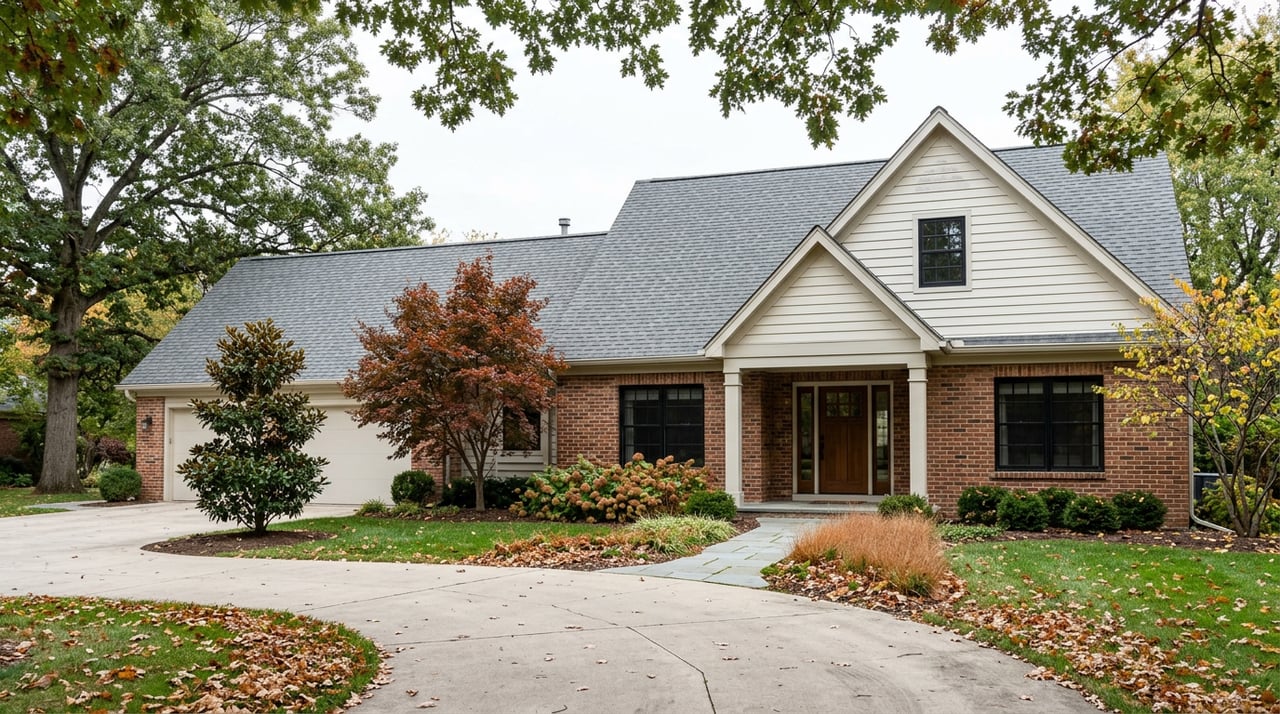
Thinking about a move to Mount Juliet and wondering what your monthly costs will look like? You’re not alone. Budgeting for a new city can feel overwhelming, especially when you’re balancing housing, utilities, commuting, and everyday life. This guide gives you a clear, practical look at the cost of living in Mount Juliet so you can plan with confidence and avoid surprises. You’ll learn what drives costs here, how to think about housing and utilities, and how to build a realistic monthly budget for your household. Let’s dive in.
Why costs vary in Mount Juliet
Mount Juliet sits just east of Nashville in Wilson County, about 15 to 25 miles from downtown depending on your starting point. That close-in, commuter-friendly location keeps demand strong, which influences home prices and rents compared to farther suburbs. The city has grown quickly since 2010, and that growth supports new neighborhoods and amenities while keeping the market competitive.
Household income, home type, and commute patterns all play a role in what you spend each month. If you work downtown and drive daily, transportation will be a larger line item. If you buy in a newer subdivision with amenities, expect an HOA fee. Your exact address and home size will shape your utility bills, too. The key is to plan with local context in mind.
Housing costs overview
Housing is your biggest monthly cost, whether you buy or rent. In Mount Juliet, you’ll find a mix of single-family homes, townhomes, and some condos, including newer subdivisions where HOA fees support amenities and upkeep.
Buying a home
When you buy, your monthly payment includes principal and interest plus property taxes, homeowners insurance, and possibly an HOA. Closing costs are an upfront one-time expense and typically run about 2 to 5 percent of the purchase price. The exact amount varies by lender, title company, and any negotiated concessions.
For planning, build your housing budget with these pieces:
- Principal and interest: based on your purchase price, down payment, loan term, and interest rate.
- Property taxes: more on this below.
- Homeowners insurance: more on this below.
- HOA fee: many Mount Juliet subdivisions have HOAs. Fees often range from $0 for non-HOA areas to $50 to $400 or more per month in amenity-heavy communities.
- Maintenance reserve: a helpful rule of thumb is to set aside about 1 percent of your home’s value per year for maintenance. For older homes or large yards and pools, plan extra.
If you want a precise monthly number, ask your lender for a payment estimate using current rates and your down payment, then add the items above. That gives you a realistic all-in housing figure.
Property taxes
Tennessee’s effective property tax rate is lower than the national average, which helps homeowners. To estimate your annual bill, multiply your home’s assessed value by the local county and city rates, then divide by 12 for a monthly budget number. Your final bill depends on the exact millage rates in Wilson County and the City of Mount Juliet, and some households may qualify for exemptions or discounts based on eligibility. Always check current county and city rates before you finalize your budget.
Homeowners insurance
Homeowners insurance costs vary by home value, coverage limits, and local risks like wind and storms. In Tennessee, many households pay several hundred to a few thousand dollars per year. If your mortgage is escrowed, this amount will be spread across your monthly payment. Get quotes for your specific address and coverage level so you can include a reliable monthly figure.
Renting in Mount Juliet
If you rent, your monthly payment is simpler. You’ll likely pay rent plus utilities and internet. Some communities include certain utilities, and a few may include trash service. Renter’s insurance is usually inexpensive and protects your belongings. For current rent ranges, check local listings and property management sites, and confirm which utilities are included before you sign a lease.
Utilities and home services
Utility costs depend on home size, insulation, the number of people in the home, and how often you run heating and cooling. Plan for seasonal swings, especially in summer when air conditioning runs more.
Electricity
Most Mount Juliet addresses are served by a regional electric cooperative. Tennessee residential electric bills have historically been around national averages, though usage increases in hot months. If possible, request the last 12 months of electric bills from the seller or landlord to set an accurate monthly baseline.
Natural gas or propane
Some neighborhoods use natural gas for heat and cooking, while others use electric systems or propane. Gas and propane spending can rise in winter. Confirm your home’s fuel type and ask for recent bills to estimate.
Water, sewer, and trash
City of Mount Juliet Utilities serves many in-city addresses, and Wilson County utilities or private providers may serve unincorporated areas. These services are billed monthly or bimonthly. Trash collection can be included in your city utility bill or billed separately depending on your address.
Internet and mobile
Broadband options typically include cable or fiber, with plan speeds that fit most households. For planning, a standard 100 to 300 Mbps plan often runs about 40 to 80 dollars per month, while gigabit plans cost more. Check address-level availability and watch for promotional rates that increase after the first term.
Other services
- Lawn and landscaping: choose DIY or a recurring service.
- Pest control: many homeowners schedule quarterly service.
- Security system: equipment plus monthly monitoring if you choose.
- Pool care: weekly or monthly if your home has a pool.
Transportation and commuting
Most Mount Juliet residents rely on cars. Your commute costs will reflect distance, fuel prices, vehicle type, parking fees, and maintenance.
Driving to Nashville
The drive to downtown Nashville is about 15 to 25 miles each way depending on your starting point in Mount Juliet. To estimate fuel costs, use this simple approach:
- Multiply your round-trip miles by your workdays each month.
- Divide by your vehicle’s miles per gallon to get gallons used.
- Multiply by the current price per gallon.
For a fuller picture of driving costs, use AAA’s average cost per mile, which includes fuel, insurance, maintenance, and depreciation. Add downtown parking if your employer does not cover it.
Public transit options
Regional transit options exist but are more limited than in central Nashville. Some residents use park-and-ride lots or commuter services where available. If you plan to rely on transit, map your route and schedule first, then decide whether a one-car or two-car household makes sense.
Everyday living expenses
These are the recurring costs that round out your monthly budget. Your household size and lifestyle will drive the totals.
Groceries
Grocery spending varies with household size and eating habits. As a baseline, a 1 to 2 person household might spend about 250 to 500 dollars per month, while families with children often plan 500 to 900 dollars per month. Adjust up if you buy specialty items or prefer organic options, and adjust down if you meal plan or shop sales.
Dining out and entertainment
Suburban households commonly mix home cooking with takeout and occasional nights out. Build a dining-out line item that reflects your habits, and include costs for movies, concerts, youth sports, or local events.
Healthcare
Monthly healthcare spending depends on your plan. Factor in premiums, co-pays, prescriptions, and routine dental or vision care. Employer-sponsored plans and marketplace plans can look very different. Make sure to include ongoing prescriptions or therapies in your monthly total.
Childcare and school costs
Child care costs vary by age, provider type, and schedule. In Tennessee, center-based care can range from several hundred dollars to over 1,000 dollars per month per child. Public schools do not charge tuition, but you should plan for supplies, activity fees, sports, and field trips if applicable. Private school tuition and extracurricular programs would be separate budget items.
Miscellaneous
Add recurring costs for phone plans, streaming subscriptions, pet care, gym memberships, dry cleaning, and gifts. A small monthly “home buffer” helps cover unexpected items.
Sample monthly budget templates
Use these templates to build a realistic picture for your household. Replace placeholders with your numbers, and request recent bills wherever you can. Provide ranges where you are unsure.
Renter: single professional
Assumptions: 1 bedroom apartment, solo occupant, commuting to Nashville by car, standard internet plan.
Housing
- Rent: from local listings for your target complex
- Electric: use last 12 months of bills if available; plan higher in summer
- Water, sewer, trash: confirm with landlord what is included
- Internet: 40 to 80 dollars
- Renter’s insurance: add your quoted premium
Transportation
- Fuel: calculate using miles per day, workdays, and current price per gallon
- Auto insurance: add your current premium
- Maintenance: use a small monthly reserve or include via AAA cost per mile
- Parking: add if not employer-covered
Everyday expenses
- Groceries: 250 to 500 dollars
- Dining and entertainment: set a realistic cap
- Mobile phone: your current plan
- Health care: premiums plus average co-pays and prescriptions
- Miscellaneous: subscriptions, gym, and a small buffer
Owner: couple or family
Assumptions: single-family home in Mount Juliet, mortgage with escrow, one or two children, typical suburban commuting.
Housing subtotal
- Principal and interest: lender estimate based on purchase price, down payment, term, and rate
- Property taxes: county and city millage times assessed value, divided by 12
- Homeowners insurance: annual premium divided by 12
- HOA fee: 0 to 400 plus dollars depending on community
- Maintenance reserve: about 1 percent of home value per year divided by 12
Utilities and services
- Electric: review prior 12 months; higher in summer
- Gas or propane: seasonal usage if applicable
- Water, sewer, trash: city or county provider rates
- Internet: 40 to 80 dollars for a standard plan
- Lawn, pest, security: add if you use these services
Family needs
- Groceries: 500 to 900 dollars, adjusted by family size
- Child care or after-school programs: several hundred to 1,000 plus dollars per child
- Health care: premiums, co-pays, prescriptions
- Activities: youth sports, lessons, and school-related fees
Transportation
- Fuel: based on commute and errands
- Insurance and maintenance: use your policy and a monthly reserve or AAA cost per mile
Commuter household: multi-income, longer drives
Assumptions: two working adults, two vehicles, regular trips to Nashville, one child in activities.
Housing and utilities
- Use the Owner template above
Transportation
- Fuel: calculate per vehicle using daily miles and price per gallon
- AAA cost per mile: apply to each vehicle for maintenance and depreciation
- Parking: add downtown or campus parking if required
Family life
- Groceries: 600 to 900 dollars depending on household size
- Child care and activities: include seasonal sports, lessons, and camps
- Health care: premiums plus a cushion for co-pays and prescriptions
Tip: Revisit your budget after your first full utility cycle and after any season change. Summer AC usage and winter heating can shift monthly totals.
How to localize your numbers
- Ask for 12 months of utility bills from the seller or landlord.
- Confirm your exact electric, water, and gas providers by address.
- Get a lender payment estimate with principal and interest, then add taxes, insurance, and HOA.
- Use AAA’s cost per mile and today’s gas prices to model commute costs.
- For child care, contact local providers for current tuition and availability.
Ready to price out your move and compare neighborhoods? Reach out to Eddie Poole for local insight, neighborhood-level cost expectations, and a plan that fits your budget.
FAQs
How much should I budget for my monthly mortgage in Mount Juliet?
- Start with your lender’s estimate for principal and interest, then add property taxes, homeowners insurance, and any HOA fee. Tennessee’s property tax burden is generally lower than the national average, but your actual monthly total depends on Wilson County and City of Mount Juliet rates.
Are utility costs high in Mount Juliet?
- Tennessee’s average residential electric bills tend to be around national averages. Expect higher summer bills when AC runs more, and confirm your home’s fuel type. Ask for recent bills to set a realistic monthly baseline.
Is commuting costly from Mount Juliet to Nashville?
- The drive is roughly 15 to 25 miles each way. Calculate fuel using your miles, vehicle mpg, and current gas prices, then add AAA’s cost per mile for maintenance and depreciation. Include parking if your employer does not cover it.
How do property taxes compare locally?
- Tennessee’s effective rates are lower than the national average, which helps homeowners. Your bill is based on assessed value and local millage. Check current Wilson County and Mount Juliet rates and ask about any exemptions you may qualify for.
Do many neighborhoods have HOA fees?
- Yes, many newer Mount Juliet subdivisions have HOAs. Fees range widely from 0 in non-HOA areas to 50 to 400 plus dollars per month in amenity-rich communities. Confirm the fee and what it covers before you buy or rent.