If you are moving to the Nashville area, one big question can shape your whole home search: do you want the energy of in-town Nashville or the extra space that often comes with the suburbs? It is a personal choice, and the right answer depends on how you live day to day, what kind of home you want, and how much driving you are willing to do. In this guide, you will get a clear look at the tradeoffs between downtown Nashville, Nashville overall, and suburban options like Mount Juliet, Lebanon, and Gallatin. Let’s dive in.
What really changes between in-town and suburban living?
The biggest difference is not just your address. It is how your daily routine feels.
Downtown Nashville is the clearest in-town benchmark in this comparison. It is highly walkable and more transit-friendly, while Nashville overall remains more car-dependent, and suburbs like Mount Juliet, Lebanon, and Gallatin are considered car-dependent by Walk Score.
That means your decision often comes down to convenience in different forms. In-town living may give you easier access to walkable destinations, while suburban living usually means more driving but often more home space and a different pace.
In-town Nashville: what to expect
If you picture being close to restaurants, events, offices, and urban amenities, in-town Nashville may be the right fit. Downtown especially stands out for buyers who want a more connected, walkable lifestyle.
That said, in-town does not mean you have to give up outdoor access. Metro Nashville Parks oversees 15,134 acres, 178 parks, and 99 miles of greenway, and Warner Parks alone covers more than 3,100 acres about 9 miles from downtown.
The bigger tradeoff is usually housing style. In downtown Nashville, sold-home examples are mostly condos and loft-style homes, which creates a very different experience from detached suburban homes with larger lots and garages.
Suburban Nashville: what to expect
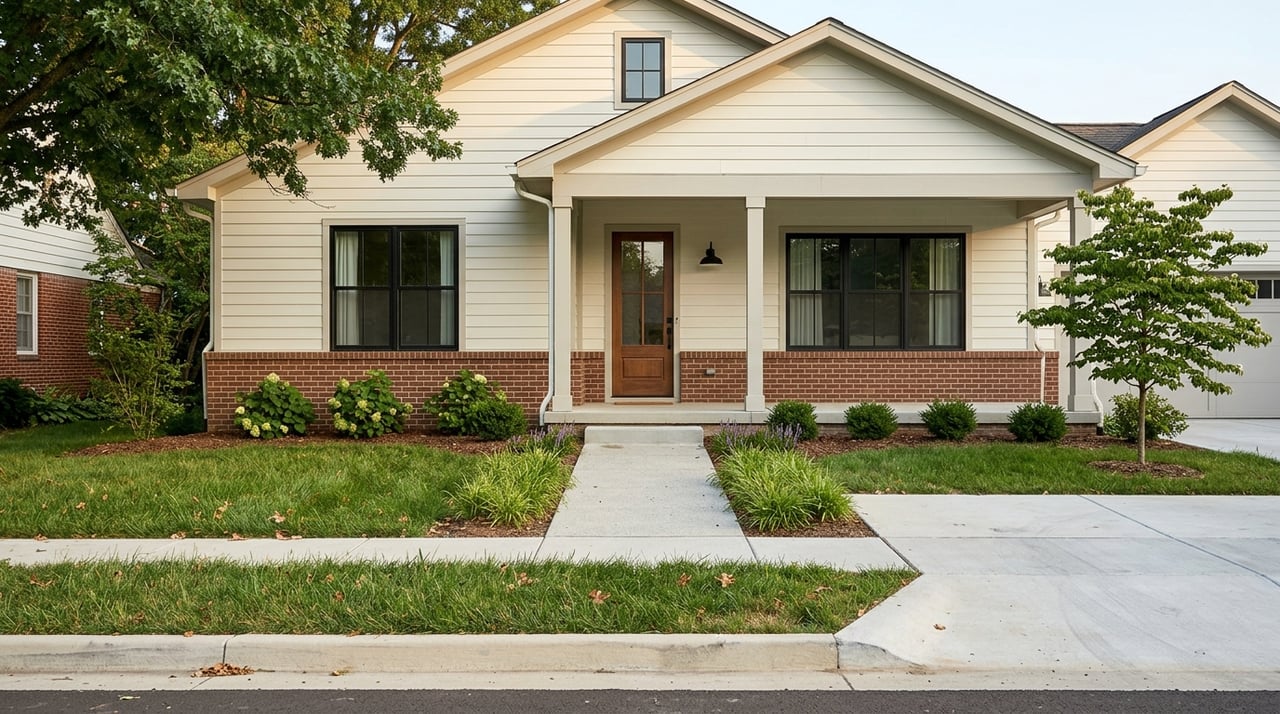
If your priority is more square footage, a detached home, or more private outdoor space, the suburbs may feel like a better long-term match. Mount Juliet, Lebanon, and Gallatin all offer a more car-centered lifestyle, but each has its own strengths.
Suburban buyers often accept a longer and more traffic-sensitive commute in exchange for more space or a lower price point. The key is deciding which suburban lifestyle best matches your routine, whether that means commute access, park access, or lake access.
Compare prices and home styles
Price is one of the clearest differences between in-town Nashville and nearby suburbs, but it is not always as simple as city equals expensive and suburb equals cheap.
Here is a snapshot from March 2026:
| Area | Median Sale Price | Median Days on Market | What It Suggests |
|---|---|---|---|
| Downtown Nashville | $866,262 | 87 | Highest price point in this comparison |
| Nashville overall | $470,000 | 98 | Broad citywide baseline |
| Mount Juliet | $565,000 | 74 | Higher suburban price, faster pace |
| Lebanon | $421,574 | 85 | Lower entry point than Nashville overall |
| Gallatin | $435,000 | 110 | Similar to Lebanon, slower pace |
Downtown Nashville is clearly the premium option in this set. Nashville overall sits much lower, but that number blends many different neighborhoods and housing types.
Mount Juliet comes in above the Nashville citywide median in this snapshot, so it is not necessarily the budget option some buyers expect. Lebanon and Gallatin offer lower median prices than Nashville overall, which can make them appealing if you want more room in your budget.
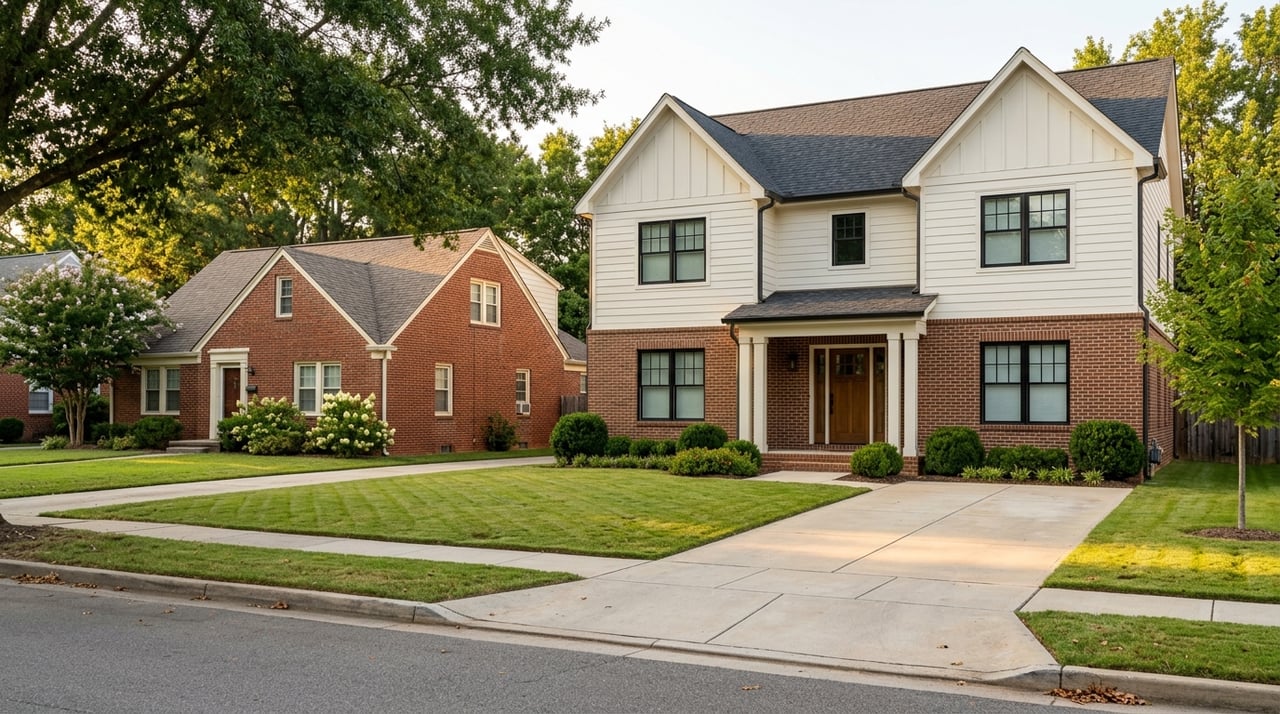
Housing type matters just as much as price. Downtown examples tend to be condos and lofts, while Mount Juliet, Lebanon, and Gallatin mostly show detached homes in subdivision settings, often with more square footage at similar or lower price points.
Commute times: how much driving feels reasonable?
Your commute can shape your daily quality of life more than almost any other factor. Even if you love a home, a long or unpredictable drive can become a challenge over time.
County averages offer helpful context. Davidson County workers average 24.7 minutes to work, compared with 30.1 minutes in Wilson County and 29.0 minutes in Sumner County.
These are countywide numbers, not exact door-to-door commute estimates. Still, they help explain why suburban buyers often trade time on the road for more home space or a different lifestyle.
Mount Juliet has the strongest commute flexibility
Among the suburbs in this comparison, Mount Juliet stands out for commute options. In addition to road access, the WeGo Star commuter rail reaches Riverfront Station from Mount Juliet Station in about 29 to 35 minutes on weekdays.
That rail option can be a real advantage if you have a regular office schedule. The main limitation is that the service runs only on weekdays, with no Saturday, Sunday, or holiday trains.
Mount Juliet’s city profile also highlights its short commute to Nashville, commuter rail access, and proximity to the airport. For many relocating buyers, that combination makes it the most connected suburban choice in this group.
Lebanon and Gallatin can offer value with a longer drive
Lebanon and Gallatin may appeal to buyers who want a lower median price than many Nashville-area options or a different kind of lifestyle. The tradeoff is often a longer commute and more dependence on your car.
If you work from home, commute only a few days a week, or simply value home space over drive time, that tradeoff may feel worth it. If you need quick access to downtown Nashville often, it is smart to weigh that carefully.
Lifestyle differences beyond the house
Once you narrow your budget and commute, lifestyle usually becomes the deciding factor. This is where in-town Nashville and each suburb start to feel very different.
Downtown Nashville fits an urban routine
Downtown Nashville tends to fit buyers who want walkability, transit access, and an urban-home lifestyle. If you enjoy condo living, being close to entertainment and events, and spending free time in public parks or greenways, the city can offer a lot.
The tradeoff is usually less private outdoor space and a much higher entry price in the downtown core. For many buyers, the question is whether that convenience is worth the premium.
Mount Juliet balances suburb and access
Mount Juliet is often the most balanced option for buyers who want suburban housing without feeling too far removed from Nashville. The city describes itself as the City Between the Lakes and highlights commuter rail access, a short commute, and airport proximity.
Local recreation includes Charlie Daniels Park, Eagle Park, Jones Family Park, and other neighborhood facilities. Nearby Long Hunter State Park adds 2,600 acres along J. Percy Priest Lake, plus boat ramps and more than 20 miles of hiking trails.
If you want a suburban home and still value connection to downtown and outdoor recreation, Mount Juliet often lands in the sweet spot.
Lebanon offers space and a more inland feel
Lebanon tends to appeal to buyers who want more space or a lower median price than Nashville overall. Its outdoor profile is more park- and land-oriented than lake-centered.
Don Fox Community Park is a major local amenity, and Cedars of Lebanon State Park offers cabins, campsites, and hiking trails in a forested setting. If you want a more traditional suburban or semi-rural feel with access to Nashville, Lebanon may deserve a closer look.
Gallatin leans into lake life
Gallatin stands out for buyers who want outdoor recreation built into daily life. City sources highlight fishing on Old Hickory Lake, mountain biking at Lock 4 Park, Triple Creek Park, downtown greenways, and access to kayaking, swimming, boating, and fishing.
Bledsoe Creek State Park sits about 6 miles outside the city and offers lakeshore trails, camping, and access to Old Hickory Lake. Gallatin officials also describe 57 miles of shoreline along the lake and Cumberland River.
If lake access and outdoor recreation rank high on your list, Gallatin is the strongest option in this comparison.
A simple way to choose
If you feel stuck, focus on three things first:
- Commute tolerance: How often do you need to go into Nashville, and how much driving feels manageable?
- Home type: Do you want a condo, townhome, or detached house with more space?
- Lifestyle: Do you want walkability, parks, trails, or lake access?
From there, the picture usually gets clearer.
- Choose downtown Nashville if walkability, transit access, and urban living matter most.
- Choose Mount Juliet if you want the strongest mix of suburban housing, commute options, and lake-adjacent recreation.
- Choose Lebanon if you want more space or a lower median price and are comfortable with a longer drive.
- Choose Gallatin if lake access and outdoor recreation are top priorities.
How to make the right move for you
There is no one-size-fits-all answer in the Nashville area. The best choice depends on your work routine, budget, preferred home style, and the way you want everyday life to feel.
For some buyers, paying more to live in-town makes sense because it saves time and supports an urban lifestyle. For others, a suburban move creates more breathing room, more square footage, and better alignment with how they want to spend their time.
If you are weighing Nashville against Mount Juliet, Lebanon, or Gallatin, it helps to have a local guide who can walk you through the real differences, not just the map. If you are ready to compare neighborhoods, commute patterns, and home options side by side, Eddie Poole would be glad to help you take the next step.
FAQs
What is the main difference between in-town Nashville and the suburbs?
- The biggest difference is usually daily lifestyle: downtown Nashville offers more walkability and transit access, while suburbs like Mount Juliet, Lebanon, and Gallatin are more car-dependent but often offer more home space.
Is downtown Nashville more expensive than the suburbs?
- Yes. In March 2026, downtown Nashville had a median sale price of $866,262, compared with $565,000 in Mount Juliet, $421,574 in Lebanon, and $435,000 in Gallatin.
Which suburb near Nashville has the best commute options?
- Mount Juliet stands out because it offers both road access and weekday WeGo Star commuter rail service to Riverfront Station in about 29 to 35 minutes.
Which Nashville-area suburb is best for lake access?
- Gallatin is the strongest fit in this comparison for buyers who prioritize lake access and outdoor recreation, with Old Hickory Lake, parks, trails, and extensive shoreline nearby.
Is Lebanon a good option for buyers who want more space?
- Lebanon can be a strong option if you want more space or a lower median price than Nashville overall and are comfortable with a longer commute and a more inland, park-centered setting.
Can you still enjoy parks and trails living in Nashville?
- Yes. Metro Nashville has 15,134 acres of parkland, 178 parks, and 99 miles of greenway, so in-town living can still include strong access to outdoor spaces.