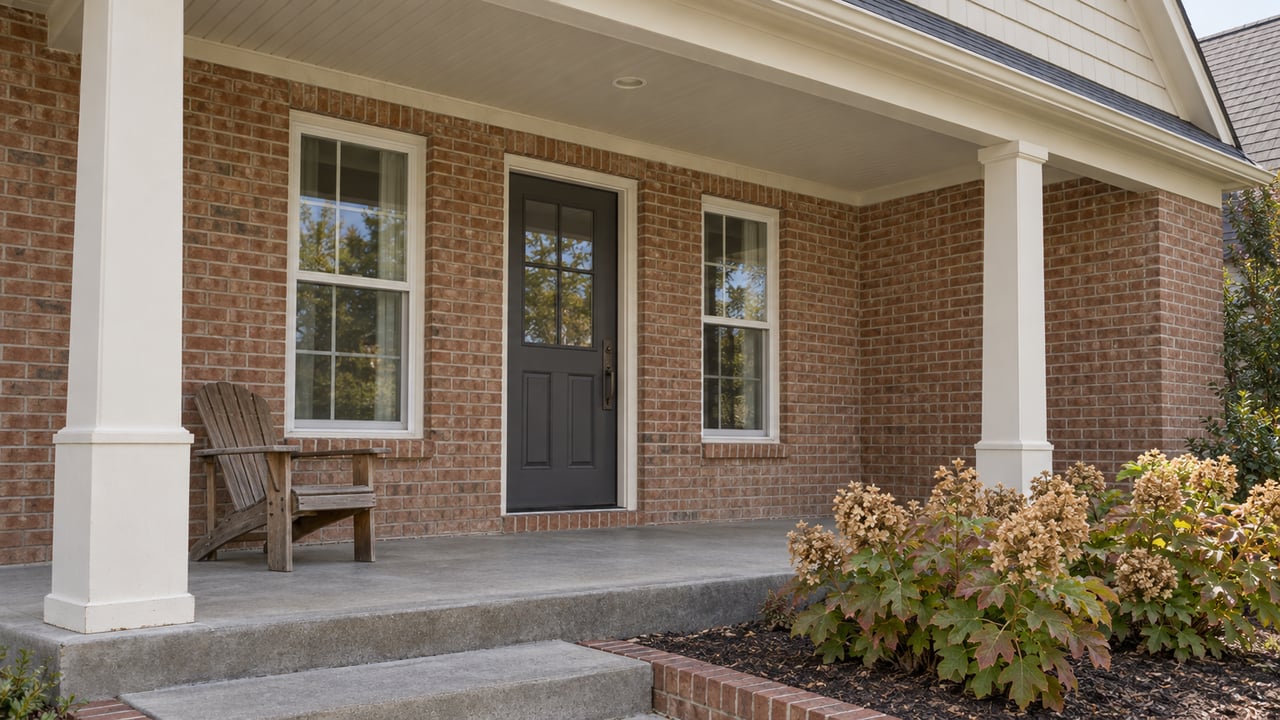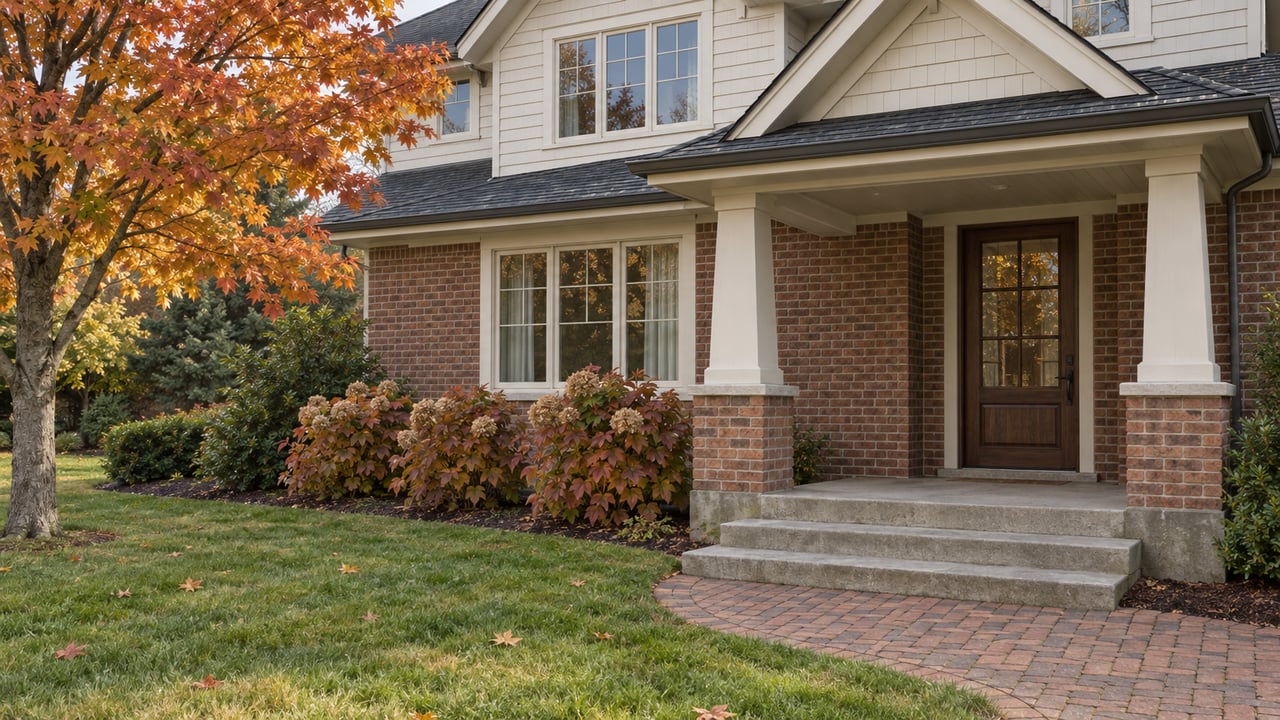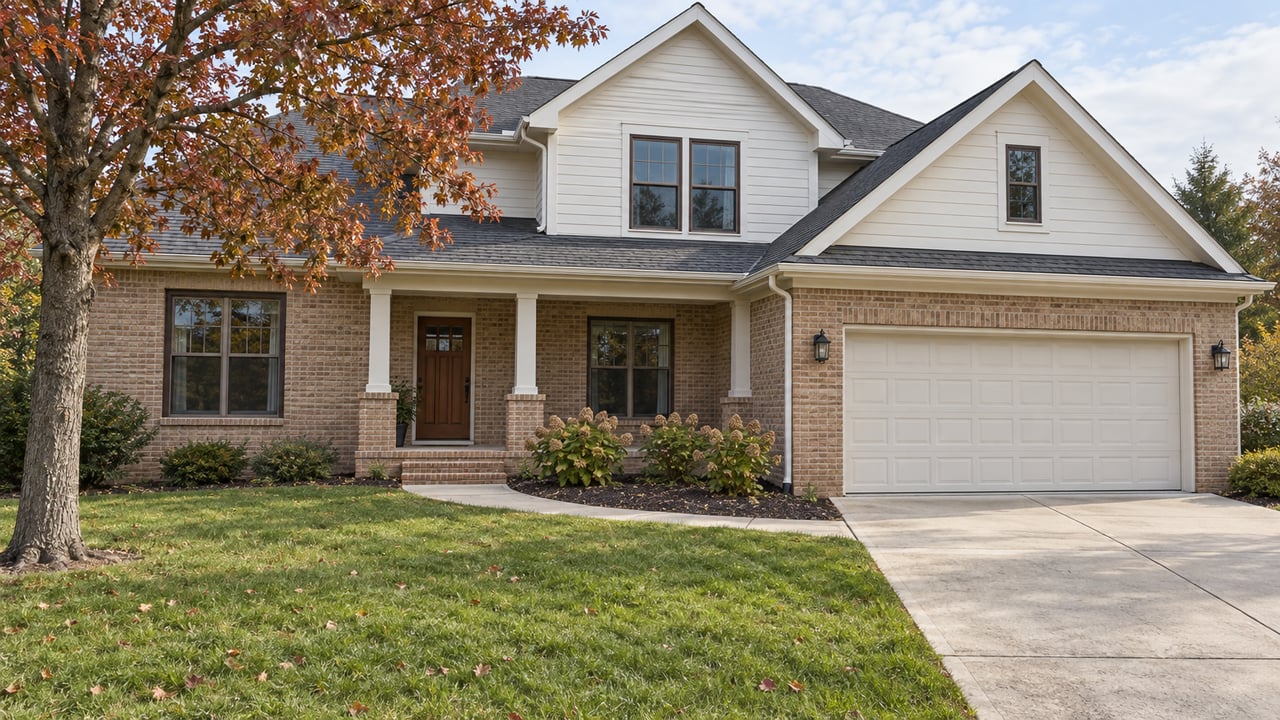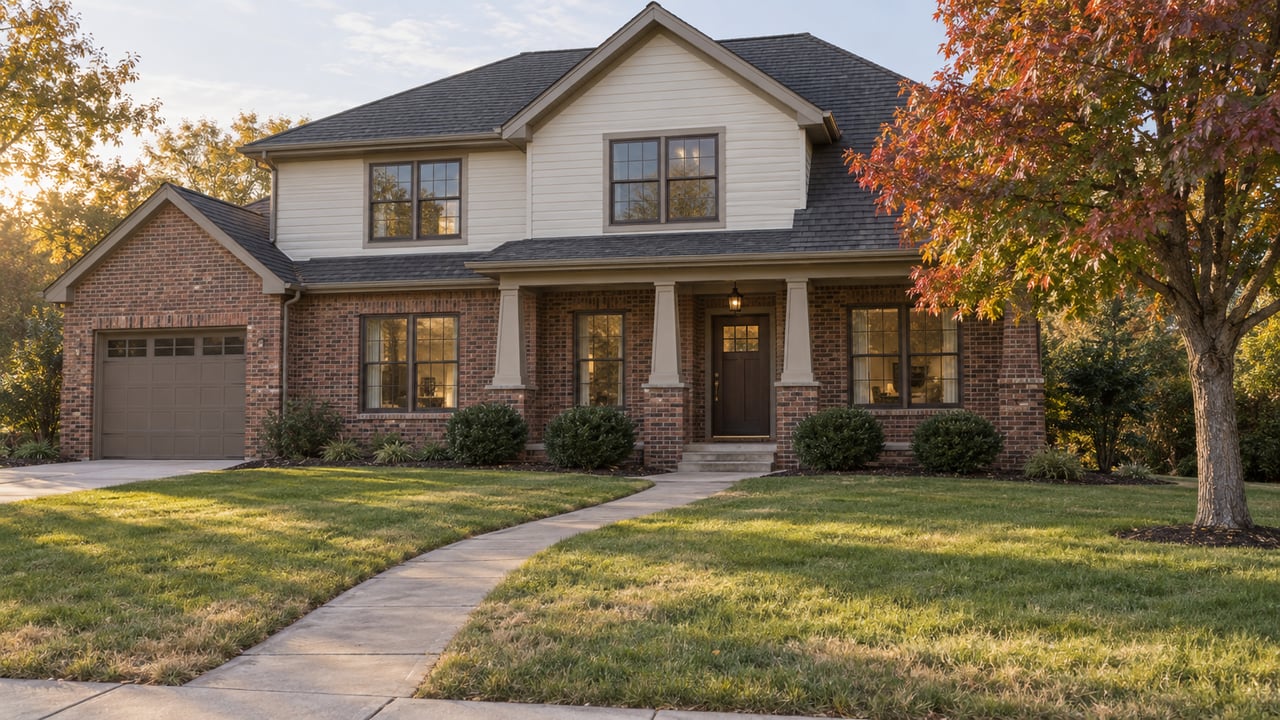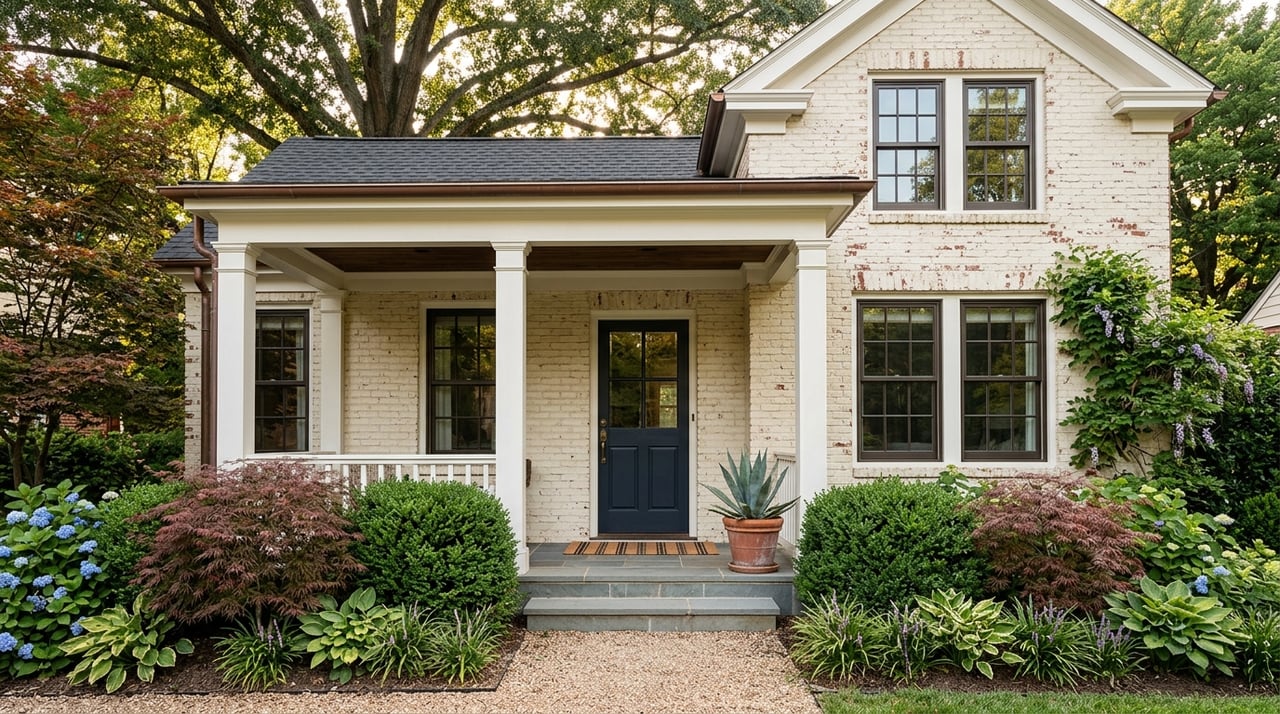
Trying to choose between a brand-new home and an older home with character in Lebanon? You are not alone. Many buyers in Wilson County end up comparing newer subdivision homes with older in-town properties, and the right answer usually depends on how you want to live day to day, not just what looks best in photos. In this guide, you will see how Lebanon’s housing patterns, upkeep needs, and downtown options can shape your decision so you can move forward with confidence. Let’s dive in.
Why This Choice Matters in Lebanon
Lebanon gives you a real mix of housing options in one market. Wilson County planning materials show a housing stock that is still heavily made up of detached single-family homes, while Census QuickFacts show Lebanon had 38,431 residents in 2020 and an estimated 51,501 in 2024. That steady growth helps explain why buyers often weigh newer homes against established ones in the same search.
The city and county planning documents also describe two different living patterns. On one side, you have newer large-lot residential areas that tend to be more suburban and car-dependent. On the other, you have older neighborhoods and downtown-focused areas where the city’s long-term vision includes more walkability, mixed housing types, trails, and connections around the historic core and Music City Star station.
What New Construction Offers
A new construction home in Lebanon often appeals to buyers who want a more predictable start. The city currently adopts 2021 codes, including the 2021 International Energy Conservation Code and the 2018 International Residential Code. Residential single-family, two-family, and townhome projects also move through a defined local development process before receiving a certificate of occupancy.
That matters because your home should be built and inspected under current local standards rather than older ones. In practical terms, many buyers see that as a plus when they want fewer immediate projects after closing. If your goal is to unpack, settle in, and focus less on repairs in the first few years, new construction may fit well.
New Construction Pros
- Current local code standards
- Fewer near-term repair projects for many buyers
- Newer layouts and systems
- A suburban setting that may include larger lots
- Potential for above-code efficiency if a builder adds optional certifications
Some builders may also go beyond the local baseline with efficiency programs. Even without optional upgrades, Lebanon’s current adoption of the 2021 energy code means the starting point for new homes is already up to date.
New Construction Trade-Offs
New does not always mean lower total monthly cost. You still need to account for property taxes, insurance, utilities, and any HOA dues that apply. If your down payment is under 20%, mortgage insurance may also affect your monthly payment.
Location pattern matters too. County planning materials describe large-lot residential as a more subdivision-style form with limited street connectivity and a more car-dependent setup. If you want quick access to downtown Lebanon’s historic core or prefer a more connected street grid, some new neighborhoods may feel less aligned with that goal.
What A Character Home Offers
A character home in Lebanon often appeals to buyers who want architecture, established surroundings, and proximity to the city’s historic center. Lebanon has five historic districts, including Greenlawn, East Spring Street, Cumberland University, the Square district, and West Main Street. These areas reflect some of the city’s older building patterns and architectural history.
For many buyers, that older fabric creates a sense of place that is hard to duplicate in a new subdivision. You may find more mature streetscapes, homes with distinct design details, and a location that feels closer to downtown activity. If you are drawn to an established setting and a home with personality, this path can be very appealing.
Character Home Pros
- Distinct architecture and older design details
- More established neighborhood patterns
- Better alignment with downtown proximity in some areas
- Access to the historic core and walkability goals the city is pursuing
- Potential connection to the Music City Star area and downtown trail vision
Historic Lebanon’s goals include a more walkable downtown, public green spaces, and a direct connection to the commuter rail station by walking trail. The city also identifies Lebanon as the origination point for the commuter rail route to downtown Nashville. For buyers who value being closer to that historic and transit-connected area, an older home may check more boxes.
Character Home Trade-Offs
Older homes usually require a bigger maintenance mindset. HUD says buyers should budget for repairs and routine maintenance, especially with older properties. Census figures cited by HUD show owners of homes built before 1950 spent a median of $1,800 a year on upkeep, and new owners of older homes often spent more than longtime owners.
That upkeep can include roofing, plumbing, painting, and minor repairs that come with age. An older home may be worth it for the charm, but you should go in with realistic expectations and a repair reserve.
There can also be health and renovation issues tied to older construction. EPA guidance says lead paint in pre-1978 homes should be maintained carefully, and lead pipes are more likely in older cities and homes built before 1986. If renovation, repair, or painting is part of your plan, lead-safe practices may be required.
Historic District Rules Matter
If the home you like is in one of Lebanon’s historic districts, do not assume you can update the exterior however you want. The city advises owners to review guidelines and contact planning staff before doing work because a Certificate of Appropriateness may be required. That can affect your timeline, design choices, and renovation budget.
This does not mean you should avoid historic district homes. It simply means you need clear information before you buy. If exterior changes are part of your vision, asking those questions early can save you stress later.
Compare Lifestyle Before Price
It is easy to focus on list price, but in Lebanon the better comparison is often lifestyle first and monthly cost second. A newer home may give you current-code construction and fewer short-term projects, but it may also place you in a more suburban pattern with more driving. An older home may offer charm and downtown access, but it often asks for more upkeep and planning.
Ask yourself where you want your time and money to go in the first few years. Do you want a home that feels turnkey, or are you comfortable trading convenience for character? Do you want a newer subdivision setup, or would you rather be closer to the historic core and the city’s walkability goals?
Questions To Ask Yourself
Before you decide, work through these questions:
- Do you want fewer repair projects right after closing?
- Would you prefer a newer suburban neighborhood pattern or an established in-town setting?
- Are you comfortable budgeting for ongoing maintenance?
- Is proximity to downtown Lebanon important to you?
- Would historic district guidelines affect the updates you want to make?
- Are you comparing the full monthly cost, including taxes, insurance, utilities, HOA dues, and possible mortgage insurance?
These questions can help you move past the simple idea of new versus old. In Lebanon, the choice is often about how the property fits your daily routine, budget comfort, and long-term plans.
A Simple Lebanon Decision Framework
If you want a straightforward way to narrow it down, use this framework.
Choose New Construction If You Want
- Current-code construction
- Less immediate maintenance pressure
- A newer subdivision feel
- Larger-lot suburban patterns
- A more predictable first few years of ownership
Choose A Character Home If You Want
- Distinct architecture
- An established street grid or older neighborhood feel
- Proximity to downtown Lebanon
- Closer connection to the historic core
- A home you are willing to maintain more actively
Smart Due Diligence For Either Option
No matter which direction you lean, a careful review matters. For new construction, make sure you understand the total monthly carrying cost and any neighborhood fees. For an older home, pay close attention to the roof, plumbing, electrical, HVAC, drainage, and any possible lead-related concerns before you close.
If the property sits in a historic district, ask about exterior-work approvals early in the process. That one step can help you align your plans with local requirements before you commit. A little clarity up front can protect both your budget and your peace of mind.
In the end, the best choice in Lebanon is not the newest home or the oldest one with the most charm. It is the home that matches the way you want to live, what you want to spend each month, and how much maintenance you are ready to take on. If you want help comparing neighborhoods, home styles, and trade-offs across Lebanon, Eddie Poole is here to help you make a confident move.
FAQs
Should I buy new construction or an older home in Lebanon, TN?
- New construction usually fits best if you want current-code building standards, fewer near-term repairs, and a more suburban setting. An older home may fit better if you value architecture, established surroundings, and proximity to downtown Lebanon.
Are new homes in Lebanon built to current code?
- Yes. Lebanon currently adopts 2021 codes, including the 2021 International Energy Conservation Code and the 2018 International Residential Code, and residential projects go through a local development process before certificate of occupancy.
Do older homes in Lebanon cost more to maintain?
- Often, yes. HUD says buyers should budget for repairs and routine maintenance on older homes, and upkeep can include painting, plumbing, roofing, and other minor repairs.
What should I know about Lebanon historic district homes?
- Lebanon has five historic districts, and the city says some exterior work may require a Certificate of Appropriateness. If you are planning changes, review the guidelines and ask questions before you buy.
Are older homes in Lebanon more likely to have lead-related issues?
- They can be. EPA guidance says lead paint should be carefully maintained in pre-1978 homes, and lead pipes are more likely in older cities and homes built before 1986.
What monthly costs should I compare when buying a home in Lebanon?
- Look beyond the mortgage payment and compare taxes, insurance, utilities, HOA dues if any, mortgage insurance if applicable, and a realistic repair reserve.