Most national inspection guides warn buyers about the same short list: old roofs, aging HVAC, quirky electrical in century homes. Useful in the abstract. Not especially useful in Mount Juliet, where a large share of the housing stock was built in the last two decades and half the inspection conversations we sit through are about a home that came out of the ground eighteen months ago.
The findings that shape Mount Juliet transactions look different. They cluster around fresh construction, freshly graded dirt, and a specific gas that Wilson County has quietly been dealing with through local code for years. And the market itself has shifted in a way that changes what buyers can actually do with those findings once they land in the report.
Here is the piece worth holding onto before we get into specifics. Wilson County homes sold in a median of 73 days over the three months ending April 2026, compared with 57 days the year before, at a median price near $499,000. That extra runway on the market is not just a talking point for buyers. It is real leverage during the repair-request window, and it changes how sellers should think about what to fix before a sign goes in the yard.
The Finding That Catches New-Build Buyers Off Guard
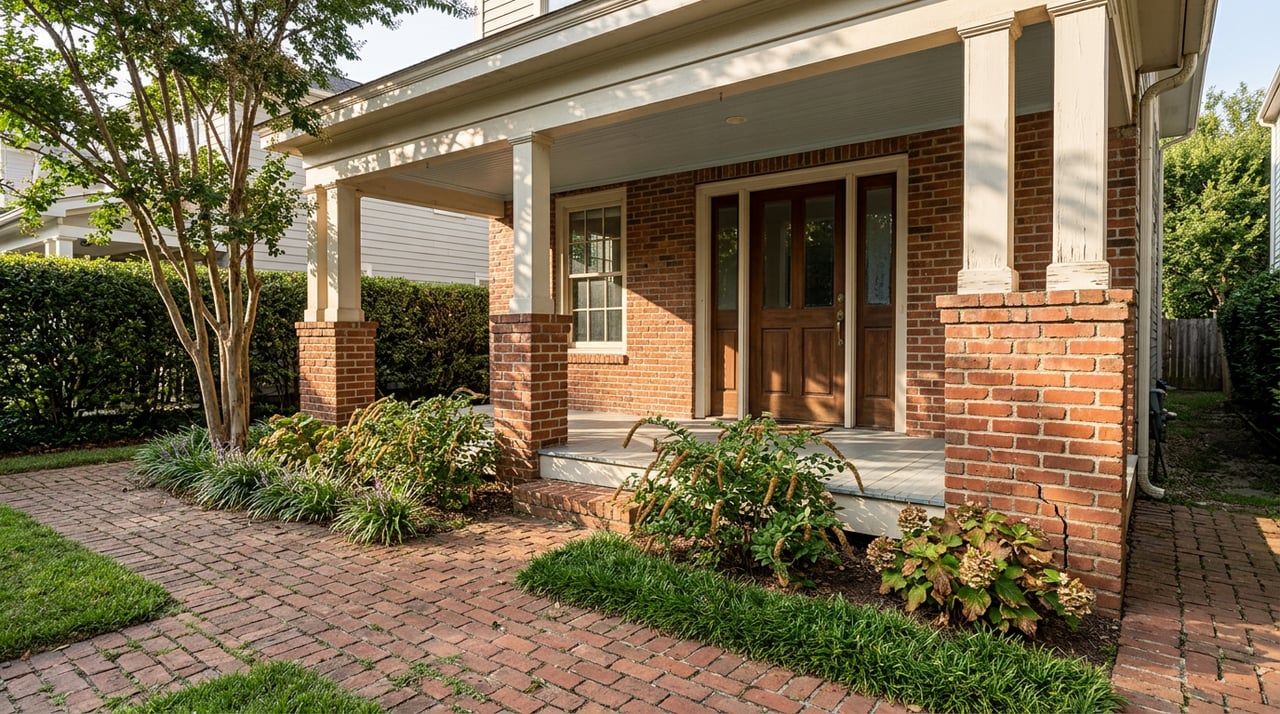
A common assumption on a new build is that the builder's crew, the county inspector, and the certificate of occupancy add up to a clean bill of health. Local inspectors who spend their weeks in Mount Juliet subdivisions describe a different reality. Qualitas Home Inspections, run by John Steele out of Mount Juliet and Wilson County, points to installation shortcuts, incomplete work, and grading and drainage issues on freshly built lots as the recurring pattern on new construction here. Upchurch Inspection frames it the same way, noting that workmanship issues, incomplete installations, drainage concerns, and early signs of wear often are not obvious during a buyer walkthrough.
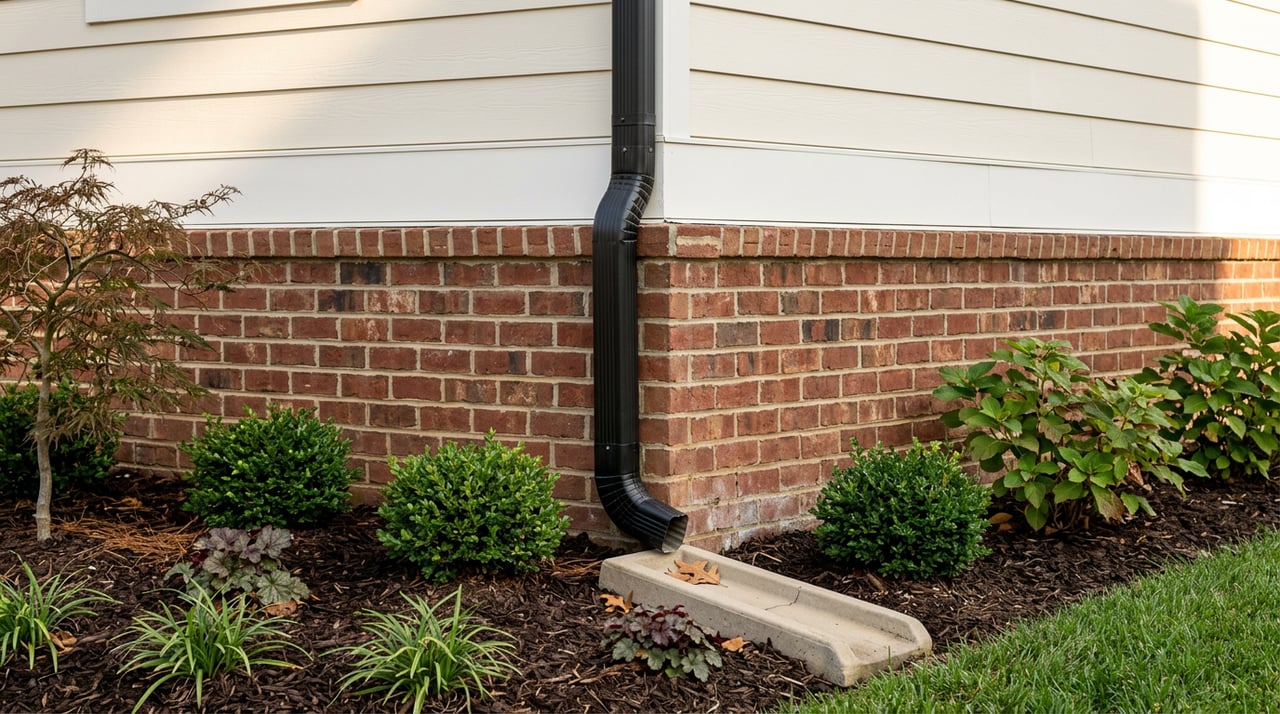
Grading is the one that quietly costs the most. Newer Mount Juliet subdivisions get carved out of sloped, clay-heavy ground, then landscaped fast. A yard that drains toward the foundation, a downspout that dumps two feet from the slab, or a rear lot that holds water after a summer storm all lead to the same place: moisture intrusion, cracking, and callbacks. The fix is cheap in month three and expensive in year three.
For sellers of homes that are five to eight years old, this is the sleeper item on a pre-listing walk. Regrade the low spots, extend the downspouts, and reseat the splash blocks before a buyer's inspector arrives with a moisture meter.
The Radon Question Already Has a Local Answer
Wilson County sits in a part of Middle Tennessee where limestone geology and karst features produce more radon than the average American county. Local reporting citing the EPA and Air Chek data puts roughly 24 percent of Wilson County homes in the 2.1 to 3.9 pCi/L range and about 18 percent at or above the EPA action level of 4.0 pCi/L. That is high enough that the City of Mount Juliet's Public Works Department began requiring radon venting on newly constructed homes, with then-director Marvin Keel citing the county's sinkholes, fissures, and shallow rock base as the reason.
Two practical implications for a live transaction:
- If the home is new construction inside the city limits, ask specifically for documentation of the passive radon vent system and whether it was ever tested. Passive systems reduce risk but do not guarantee a sub-4.0 reading.
- If the home is a resale, budget for a 48-hour radon test as part of the inspection. LunsPro, Home Inspections by SP&D, and Qualitas all offer it as an add-on. A retrofit mitigation system typically runs in the low four figures, which is a very reasonable repair credit to ask for on a home that tests above 4.0.
None of this is a reason to walk away from a Mount Juliet home. It is a reason to test the specific one you are buying rather than relying on a county-level average.
Slab or Crawlspace Changes the Whole Inspection
Foundation type in Mount Juliet is close to a proxy for decade of construction. Inspectors who work the area describe slab-on-grade as the norm in newer developments and crawlspaces as more typical in older neighborhoods. That distinction reshapes what an inspection prioritizes and what a repair request should focus on.
| If the home is on | Watch closely for | Common repair-request items |
|---|---|---|
| Slab-on-grade (newer builds) | Perimeter grading, downspout discharge, hairline slab cracks near load points, plumbing rough-in quality | Regrade, downspout extensions, minor slab sealing, plumbing corrections under warranty |
| Crawlspace (older homes) | Standing water, vapor barrier condition, wood moisture readings, insulation sag, vent function | Vapor barrier replacement, dehumidifier install, encapsulation, targeted joist or sill treatment |
A slab home with a drainage problem and a crawlspace home with a moisture problem are the same story told two different ways. The Middle Tennessee climate, with humid summers and heavy seasonal rain, does the work in both cases. Upchurch Inspection specifically calls out moisture management, attic ventilation, roofing, and HVAC performance as key focus areas because of that seasonal load.
The 11-Month Inspection Most New-Build Owners Skip
Almost every production builder in the Mount Juliet market offers a one-year warranty on workmanship. Qualitas calls the 11-month builder-warranty inspection out as a core service for a reason: it is the last free swing a homeowner gets at issues the builder is contractually obligated to fix. Nail pops, sticking doors, HVAC balancing, minor grading settlement, caulk failures at exterior penetrations, and drywall cracks at seams are all in scope. Miss the window and the same repairs come out of the owner's pocket.
If you closed on a Providence, Mount Juliet Station, or other newer-subdivision home in the last year and skipped this inspection, put it on the calendar this week. Reports typically run in the same range as a standard buyer inspection and pay for themselves the first time the builder honors a punch list item.
What the 73-Day Market Does to Repair Negotiations
Two years ago a Mount Juliet buyer who came out of due diligence with a two-page repair request risked losing the house to a backup offer. That environment is gone for now. With Wilson County days on market up more than 25 percent year over year as of April 2026, and 258 homes sold in April against 267 the year before, sellers have measurably less leverage during the repair-request window.
What that means in practice:
- Buyers can reasonably ask for the meaningful items, not just the safety items. Regrading, radon mitigation, HVAC service, and roof repairs are all fair game on a home priced near the county median.
- Sellers who want a smooth close should pre-empt the top three findings the local inspectors flag over and over. Fix the grading, service the HVAC, and have a radon test in hand before listing.
- Credits are often cleaner than repairs. A $2,500 credit toward a radon system the buyer can install after closing avoids a scheduling scramble in the last ten days before the closing table.
The market has not tipped in either direction. It has widened the middle where a well-prepared seller and a well-informed buyer can actually agree on what the report means.
A few questions we hear on the way to closing
How long does a Mount Juliet inspection take and what should we plan to pay? Plan on two to three and a half hours on site for an average Mount Juliet-area home, with larger or older homes running longer. Standard fees in the market run roughly $200 to $500 depending on size and age, with radon, sewer scope, and mold add-ons priced separately. Attending the walk-through at the end is worth the time.
Should we still inspect a brand-new home the builder just finished? Yes. Every local inspection company we work with recommends it. New homes routinely have workmanship items, incomplete installations, and grading issues that a certificate of occupancy does not catch.
Is a sewer scope worth it in Mount Juliet? On older homes and any home with mature trees near the lateral line, yes. LunsPro and several other local inspectors offer sewer-line camera inspections that cover up to about 120 feet of drain line. On a newer slab home with no mature landscaping, it is a lower priority.
We are selling. What should we handle before the buyer's inspector shows up? Walk the perimeter after a hard rain and fix anything holding water near the foundation. Service the HVAC and keep the receipt. If the home is more than a few years old, run a radon test. Those three moves take the most common repair-request items off the table before they land in a report.
Every Mount Juliet transaction has its own texture, and the inspection report is where that texture usually shows up first. If you are preparing to buy or list in Mount Juliet and want a read on how a specific home is likely to inspect, or how to price around findings you already have in hand, the Eddie Poole Team would be glad to sit down with you. Schedule a free consultation and let's talk through what your report is actually telling you.