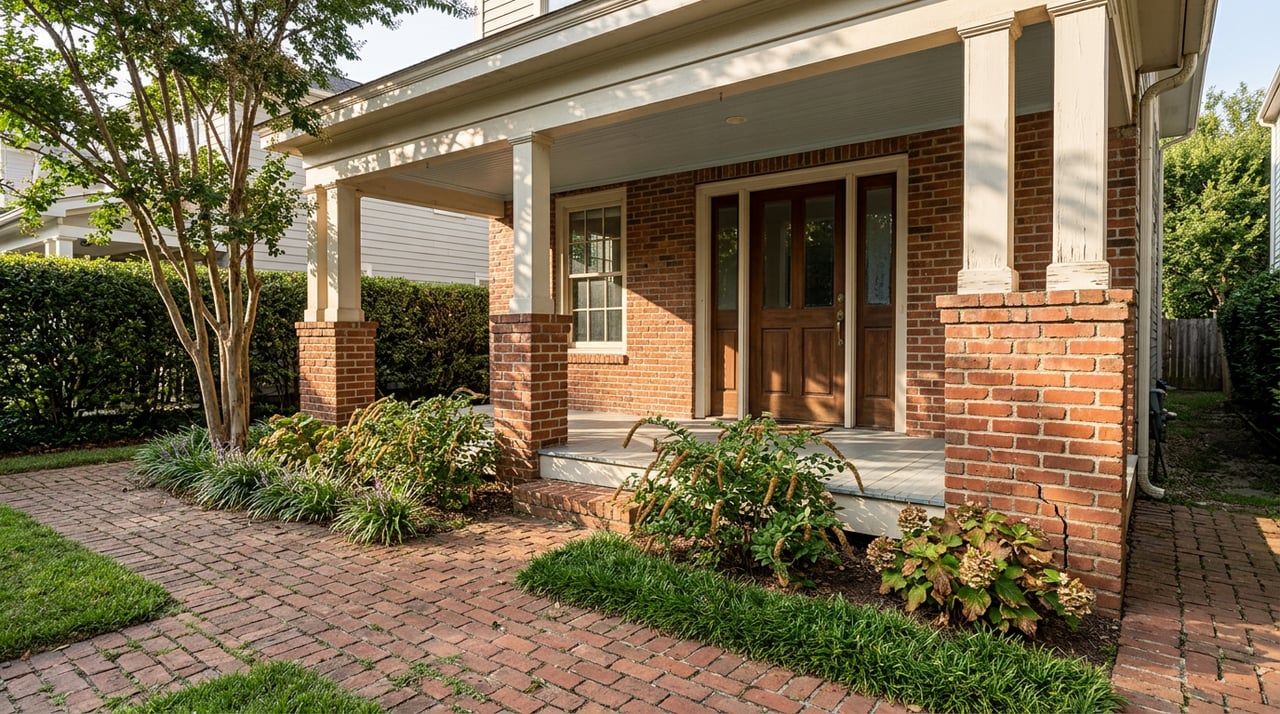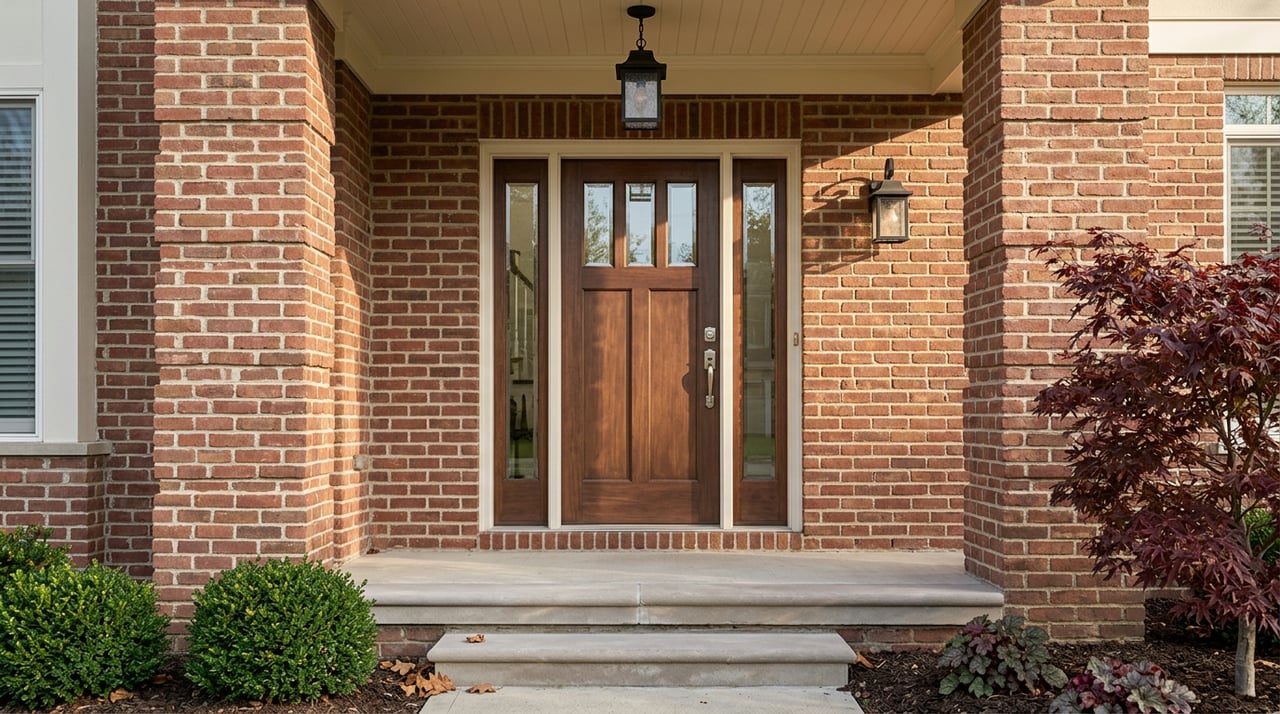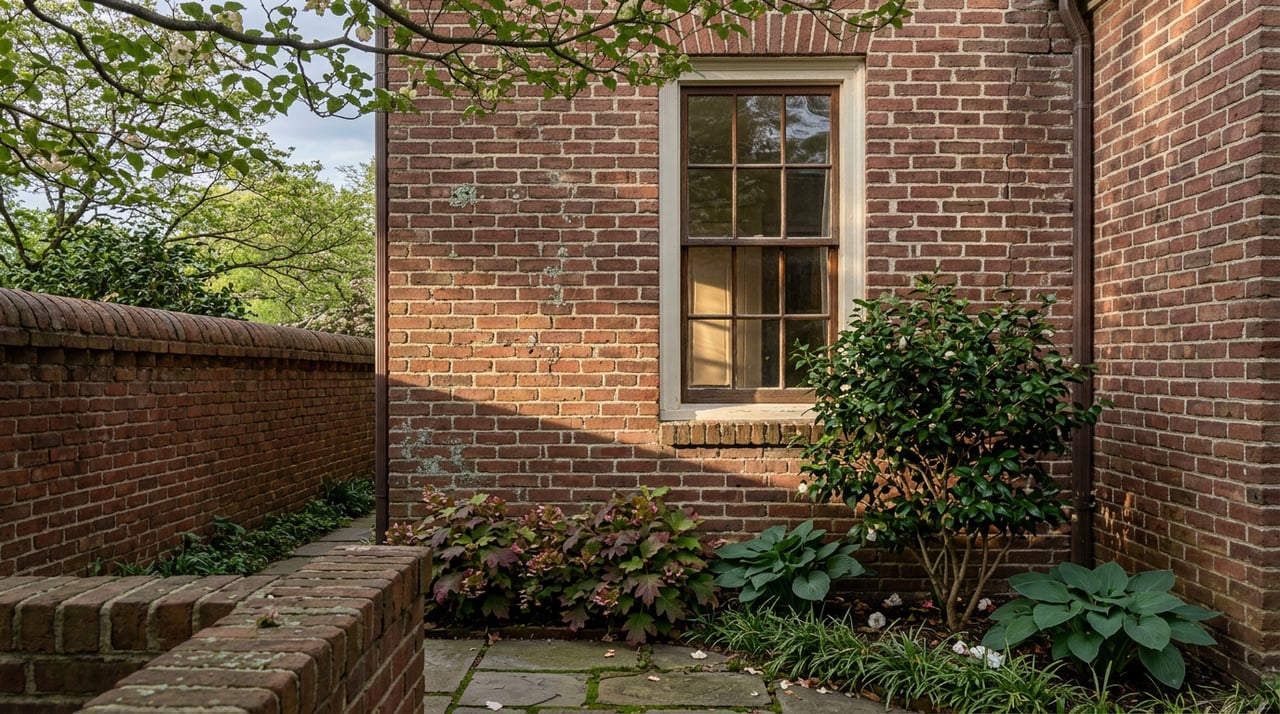
A brick cottage two blocks off the downtown square sat on the market for over three months earlier this year. A newer build fifteen minutes away, on the same price band, closed in about a month. Same city. Same buyer pool, mostly. The difference wasn't the roof, the kitchen, or the yard. It was the paperwork nobody mentions until an inspector opens the panel box or a buyer's agent asks about the historic overlay.
If you own an older home near Gallatin's square and you're thinking about selling, the charm that drew you there is real. So is the friction that comes with it. Three specific things slow these deals down, and all three are fixable if you know about them before a buyer's inspection period starts the clock.
Three Historic Districts, One Rule Most Sellers Don't Know About
Gallatin's Public Square is the anchor of the city's identity, and the city has treated it that way since long before anyone was flipping houses. The Gallatin Commercial Historic District, which covers the square itself along with the Sumner County Courthouse and properties along Water, Main, College, and Franklin Streets, was listed on the National Register of Historic Places in 1985. In 1991, the City Council went a step further and approved local historic zoning, which made Gallatin a Certified Local Government. Two more residential districts followed: the East Main Street Historic District in 1993, and the Woodson Terrace Historic District in 1996, built out mostly between the late 1800s and the mid-1900s and made up largely of single-family homes.
Here's what that means in practice. If your home sits inside one of these locally zoned districts, exterior changes require an application and a review by the Historic Commission, which issues something called a Certificate of Appropriateness. That covers things like replacement windows, roofing materials, additions, and porch rebuilds, the exact repairs a buyer's inspection often turns up.
| District | Designated | Covers |
|---|---|---|
| Gallatin Commercial Historic District | 1985 (National Register), local zoning 1991 | The Public Square, Sumner County Courthouse, Water, Main, College, and Franklin Streets |
| East Main Street Historic District | 1993 | East Main Street corridor between East Eastland Street and Sherry Circle |
| Woodson Terrace Historic District | 1996 | Late 19th to mid-20th century single-family homes |
Sellers who don't know their home sits inside one of these boundaries can lose weeks mid-contract when a buyer's contractor bid for exterior repairs gets flagged for review. Sellers who check the boundary before listing, and line up any needed approvals ahead of time, remove that entire delay from the timeline.
The 1978 Line Nobody Draws on a Map
The historic district rules only apply to three specific pockets of the city. This next one applies to almost every older home in Gallatin regardless of what district it's in.
Federal law requires sellers of any home built before 1978 to disclose known information about lead-based paint, provide buyers with the EPA's lead hazard pamphlet, and give buyers a 10-day window to conduct a paint inspection or risk assessment before they're bound to the contract. Buyers can waive that window, but the disclosure itself isn't optional, and failing to provide it opens a seller to real liability after closing.
This one catches people off guard because it has nothing to do with whether a house looks "historic." A 1965 ranch on a quiet street three miles from the square is just as subject to the rule as a Victorian on Woodson Terrace. If your Gallatin home was built before 1978, the disclosure paperwork needs to be ready before a buyer's agent asks for it, not scrambled together during the option period.
What the Inspector's Flashlight Finds in the Panel Box
The third friction point shows up later in the process, usually at inspection, and it can affect whether a buyer can even get insurance on the house they're trying to buy.
Older housing stock around Gallatin sometimes still carries knob-and-tube wiring, aluminum branch wiring, or outdated panel brands like Federal Pacific or Zinsco. All three are known red flags for insurance underwriters, and a written report from a licensed electrician documenting panel type and wiring condition is often what carries the deal forward, either because a lender requires it for an older home or because an insurer requires it before binding a policy. In Sumner County, that written report also satisfies real estate disclosure standards, which means it does double duty: it protects the seller's disclosure position and gives the buyer's insurance carrier what it needs to say yes.
The sellers who get burned here aren't the ones with bad wiring. They're the ones who find out about it for the first time when the buyer's inspector does, three weeks into a 45-day contract, with a mortgage commitment deadline already ticking.
What 100 Days Actually Costs
Put those three frictions together and you can see them show up in the numbers. Gallatin's broader resale market has moved at very different paces depending on the report you look at this year: one mid-2026 market report pegged the citywide median at 38 days on market with 5.5 percent year-over-year appreciation, while a July 2026 market snapshot put the median closer to 61 days. Earlier in the year, a market scan of Gallatin's older, vintage-classified inventory, a category that includes many of the pre-1978 and locally historic homes discussed here, showed a median list price around $441,000 with typical time on market closer to 100 days and roughly one offer per listing.
Even using the most generous citywide baseline, that's a gap of 40 to 60-plus days for older housing stock. Some of that gap is buyer preference for move-in-ready homes. A meaningful piece of it is the paperwork lag: buyers who fall in love with a house, then discover mid-contract that exterior repairs need a Certificate of Appropriateness, or that the panel needs replacing before an insurer will write a policy, don't walk away from the house. They walk away from the timeline, ask for extensions, or renegotiate price to cover the surprise.
Sellers who front-load this work close that gap. A pre-listing electrical inspection, a quick check of whether your address falls inside the Commercial, East Main Street, or Woodson Terrace district boundary, and a lead disclosure packet prepared in advance turn three potential deal-slowing surprises into three items already checked off before a buyer ever submits an offer.
The Square Is About to Get Busier
There's a reason this is worth getting right now rather than later. Back in 2024, city leaders announced they were working with Boyle Investment Company on a proposed mixed-use project that would turn two city-owned blocks near the square into a live-work corridor with a hotel, residential units, green space, retail, and a new City Hall. A third-party impact study tied to that proposal estimated more than $40 million in property tax revenue over 20 years along with a significant one-time construction impact, and it marked the city's clearest public signal yet that it sees the square as worth investing around.
Whatever pace that specific project ends up moving at, the intent behind it matters for owners of older homes nearby. Cities don't float $40 million tax revenue projections and new City Hall plans for blocks they consider settled. That kind of attention tends to pull buyer interest toward the surrounding streets over time. The sellers who get their historic district status, lead disclosure, and electrical documentation sorted out now will be the ones ready to move when that interest shows up, instead of catching up to it mid-contract.
A Few Questions Sellers Ask Us Directly
Does every older home in Gallatin fall inside a historic district? No. Only properties within the boundaries of the Gallatin Commercial Historic District, the East Main Street Historic District, or the Woodson Terrace Historic District are subject to Certificate of Appropriateness review. Plenty of older homes elsewhere in Gallatin are not in a locally zoned district, though they can still be subject to the pre-1978 lead disclosure rule if they're old enough.
What if my house was built in exactly 1978? The federal rule applies to housing built before 1978. If you're not certain of your build year, county property records or your original deed paperwork are the place to confirm it, since the disclosure obligation turns on that date specifically.
Will a buyer's insurance company really decline coverage over old wiring? It happens often enough that a documented electrical inspection is worth doing before you list rather than finding out mid-contract. A written report from a licensed electrician gives both the buyer's lender and insurer something concrete to work from, and it gives you, as the seller, a clean disclosure record.
If you're weighing a sale near Gallatin's square, or anywhere in Sumner County's older housing stock, the Eddie Poole Team can walk your specific address through these three checkpoints before you ever put up a sign. Schedule a free consultation and let's find out exactly what your home's paperwork looks like, before a buyer's inspector does.